Tag: starlink

  • Is Starlink still the best choice for rural or remote internet? We discuss your options for internet in 2025

    Is Starlink still the best choice for rural or remote internet? We discuss your options for internet in 2025

    If you’re in a more rural or remote location, internet options can be scant even in 2025. Even in a state as populous as California there are still areas that do not have access to cable or fiber internet and the cost to establish it can be exorbitant. Your city may even have cable available but due to your own buildings location the cost burden of establishing the “last mile” connection (IE the one to your building directly) can be placed on the customer. This cost can be in the many thousands of dollars.

    Aside from cable or fiber options, many rural or remote customers turn to DSL or 4G internet options which can get you online but may not have the bandwidth to facilitate adequate backups if you utilize a cloud solution.

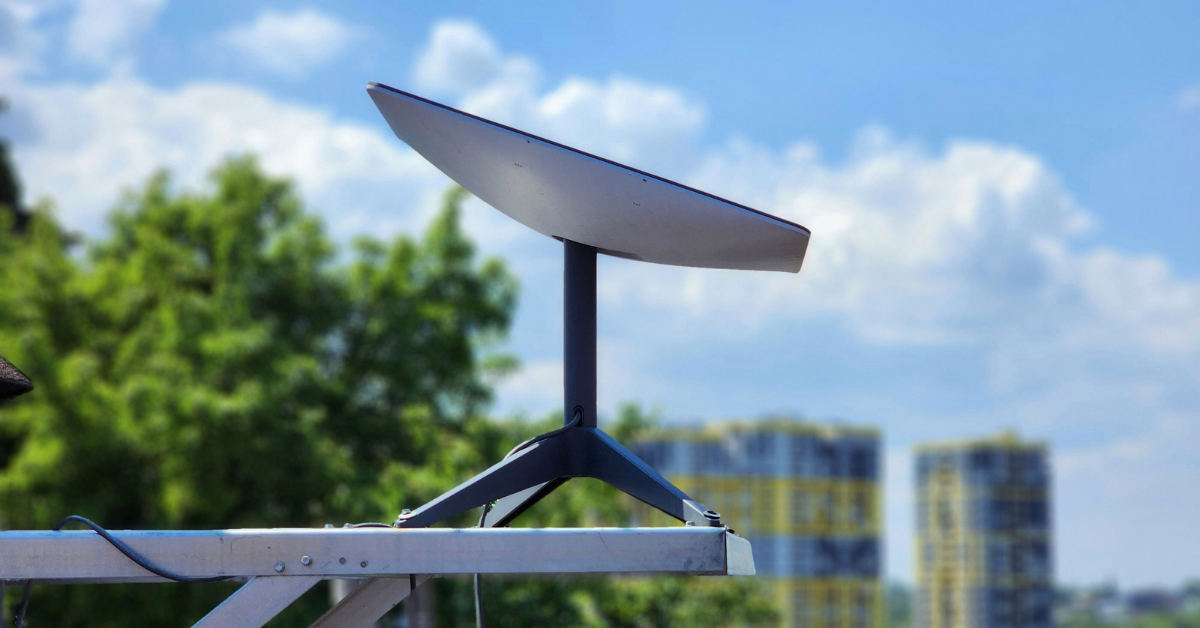
    This is where Starlink has had the edge, Starlink can get speeds comparable to cable (up to 220 Mbps) and business class customers receive priority support. The increased speeds and customer support does come at a cost, with their business plans starting at $165 per month and the kit that includes the satellite dish starting at $599.

    Still, there are a lot of considerations when choosing an ISP (internet service provider) for your business. Below are the five main options for internet for your business:

    1. Fixed Wireless Internet
    • How it works: Internet is beamed from a tower to an antenna installed at the user’s location.
    • Pros: Faster than satellite, low latency, suitable for video streaming and remote work.
    • Cons: Requires line of sight to the tower; speed can vary by weather or terrain.
    • Best for: Areas within range of a local wireless provider.
    1. Satellite Internet (e.g., Starlink, HughesNet, Viasat)
    • How it works: Internet is delivered via satellite to a dish on the user’s property.
    • Pros: Available virtually anywhere; great for very remote areas.
    • Cons: Higher latency (though Starlink is improving this), data caps, can be costly.
    • Best for: Extremely rural or mountainous regions with no other infrastructure.
    1. DSL (Digital Subscriber Line)
    • How it works: Delivered via existing telephone lines.
    • Pros: Widely available in older rural areas, affordable, no special equipment needed.
    • Cons: Slower speeds than cable or fiber; signal weakens over distance.
    • Best for: Areas with old telephone infrastructure but no cable/fiber.
    1. Cellular Internet / Mobile Hotspots (e.g., Verizon, AT&T, T-Mobile)
    • How it works: Uses 4G/5G signals via a mobile device or dedicated hotspot.
    • Pros: Portable, easy to set up, faster than satellite in strong coverage areas.
    • Cons: Limited by data caps or throttling; reliant on cell signal strength.
    • Best for: Users in areas with decent mobile coverage but no wired options.
    1. Wired Cable Internet
    • How it works: Internet is delivered through coaxial cable infrastructure, often alongside TV service.
    • Pros: Fast and reliable with higher speeds than DSL or satellite; typically includes unlimited data.
    • Cons: Availability is limited in rural areas; installation can be expensive if the infrastructure isn’t already present.
    • Best for: Rural towns or neighborhoods where cable lines have already been laid or are close by.

    If you need assistance in navigating internet service for your business or anything else in the technology space, reach out to Valley Techlogic for a consultation today.
    Looking for more to read? We suggest these other articles from our site.

    This article was powered by Valley Techlogic, leading provider of trouble free IT services for businesses in California including Merced, Fresno, Stockton & More. You can find more information at https://www.valleytechlogic.com/ or on Facebook at https://www.facebook.com/valleytechlogic/ . Follow us on X at https://x.com/valleytechlogic and LinkedIn at https://www.linkedin.com/company/valley-techlogic-inc/.

  • Starlink is bringing super-fast internet to rural communities; what are your internet provider options?

    Starlink is bringing super-fast internet to rural communities; what are your internet provider options?

    Starlink has been a hot button topic this week: Elon Musk’s new satellite internet company is bringing fast internet speeds to many rural communities who have had very few options up until now.

    It can seem strange to think about if you reside in an urban area where cable internet has been available since the early 2000s. The fact is many communities are still burdened with DSL connections whose max capabilities may be as low as 0.8 Mbps (a far cry from the 100+ Mbps cable speeds we’re all used to).

    On speeds that slow downloading a video can take as long as an hour. Starlink will change all that for many people as well as adding another contender in a mostly monopolized marketplace. Even in large cities, there are often not more than one or two viable options available.

    Starlink features a rather hefty setup cost for home users at $499, but the $99 a month is competitively priced in our opinion. There are some concerns from people in the astronomy field what effect thousands of new satellites introduced to our skies will do (see this article for more information on that).

    Cable companies are already feeling the pinch as many people are “cutting the cord” in favor of streaming services that allow them to pick and choose what they want to watch at will. With more competition in the marketplace, how will they rise to meet the demand for faster internet in more places?

    One thing we can look to is more work done on improving degrading cable infrastructure; many other developed nations have access to high speed fiber internet for a fraction of what we pay here in the states. In South Korea for instance 1 Gbit/s internet is priced as low as $20 for most households. That’s an internet speed 79 times the average speed here in the US for a fraction of what we pay.

    Google has also risen as an internet provider in many large cities, providing gigabit internet for around $70 a month. This is comparable to the average cost of a cable internet subscription where your speeds will probably be 100-250 Mbps.

    Business class users have long had a different standard of internet access, with faster speeds available to them than are advertised to home users. Your IT team may have a dedicated support person they talk to or if you work with an IT support company, they may have better leads for you when it comes to your business’s internet.

    With small business internet plans you can expect better support, as well as a static IP address. A static IP grants you the benefit of faster connectivity speeds as well as a more secure and stable connection. It also gives you the ability to remote connect to your business’s computers, in addition to reliable geolocation data. With a static IP you can connect to your office devices from anywhere, allowing you to work on the go.

    Enterprise internet offers even more benefits. Known variously as Metro Ethernet, MPLS, or Dedicated Internet Access, enterprise internet service allows for point-to-point and point-to-multipoint internet connections. That means your business will be directly connected to a metro ethernet hub which will equal greatly increased bandwidth, redundancy, and reliability. This is often used on a larger (often metropolitan, hence the term “metro” ethernet) scale, connecting employees in different office locations to one network.

    Navigating which internet solution to use is just one part of the puzzle. Networking can be a complex task and setting up a secure network is a major bulwark against having a large-scale cyber security event cripple your business. If you own a business located in the Central Valley and need help navigating the rapidly evolving landscape of business Internet connectivity, Valley Tech Logic is here to help.

    Looking for more to read? We suggest these tech articles from the last week.

    This article was powered by Valley TechLogic, an IT provider in Atwater, CA. You can find more information at https://www.valleytechlogic.com/ or on Facebook at https://www.facebook.com/valleytechlogic/ . Follow us on Twitter at https://x.com/valleytechlogic.

    Looking for IT Services in Fresno, Modesto, Stockton, Ceres, Atwater, Merced, Visalia or Lodi? We cover all these areas and more!