Author: rory-admin

  • The average cost of hiring IT support staff examined

    The average cost of hiring IT support staff examined

    When you’re talking about IT for businesses there’s a wide range of normal, for some businesses their normal is having in-house IT staff. For many though their IT operational needs are such that having a dedicated staff devoted to the job just doesn’t make financial sense.

    Average Cost of an IT Support Person
    Click to see the full size version.

    If you look at our chart you can see that the cost of hiring one IT person is quite significant. You also must overcome the usual hiring hurdle of just finding the right person in the first place and dedicating your time to that task is something that should definitely be taken into consideration.

    The benefit of an IT support plan is someone else is doing that job for you, with the right company behind your business you will have an entire team of experienced techs available to you without having to pay a yearly salary for each one.

    Some technology service providers even offer flat monthly cost plans that come with generous or even unlimited support included. We’re proud to be one such company that offer plans that eliminate many of the billing headaches surrounding outsourcing your IT for our clients.

    While our own plans are multifaceted and cover project work, onsite and help desk support, cybersecurity and more – you may be asking what types of plans are usually available in the marketplace.

    1. Full Managed IT Department Support – This is what we offer, we cover everything you could need that’s IT related.
    2. Managed Support Services – This is where remote and help desk support is available but not onsite. Good for getting back into locked email accounts but not ideal for complicated IT issues.
    3. Managed Software as a Service (SAAS) – This is a managed service for one particular type of software. Notable examples include Google Apps, Salesforce, ZenDesk and DocuSign.
    4. Managed Networks and Infrastructure – VPNs would fall into this category, as would managed cloud services such as Amazon Web Services (AWS).
    5. Business Intelligence and Data Analytics – Consulting services that help you with your web presence and the best ways to apply technology to your business would fall into this category of managed services.

    These aren’t the only examples of IT support plans, but we feel they’re the most notable.

    Many small or medium sized business owners also avoid the issue entirely by doing their own IT. We wrote about why that may not make smart business sense here, but in a nutshell it comes down to how much you really value your time and whether your efforts spent there are the best use of it.

    We can offer advice on what the best fit is for your particular business, if you’d like to book a free 10 minute consultation you can find our calendar here. We’re offering easy virtual appointments and even if you don’t choose us, we can help you leave with a plan.

    Looking for more to read? We suggest these tech articles from the last week.

    This article was powered by Valley TechLogic, an IT provider in Atwater, CA. You can find more information at https://www.valleytechlogic.com/ or on Facebook at https://www.facebook.com/valleytechlogic/ . Follow us on Twitter at https://x.com/valleytechlogic.

    Looking for IT Services in Fresno, Modesto, Stockton, Ceres, Atwater, Merced, Visalia or Lodi? We cover all these areas and more!

  • The ransomware attack crippling a major repair firm that no one’s talking about

    The ransomware attack crippling a major repair firm that no one’s talking about

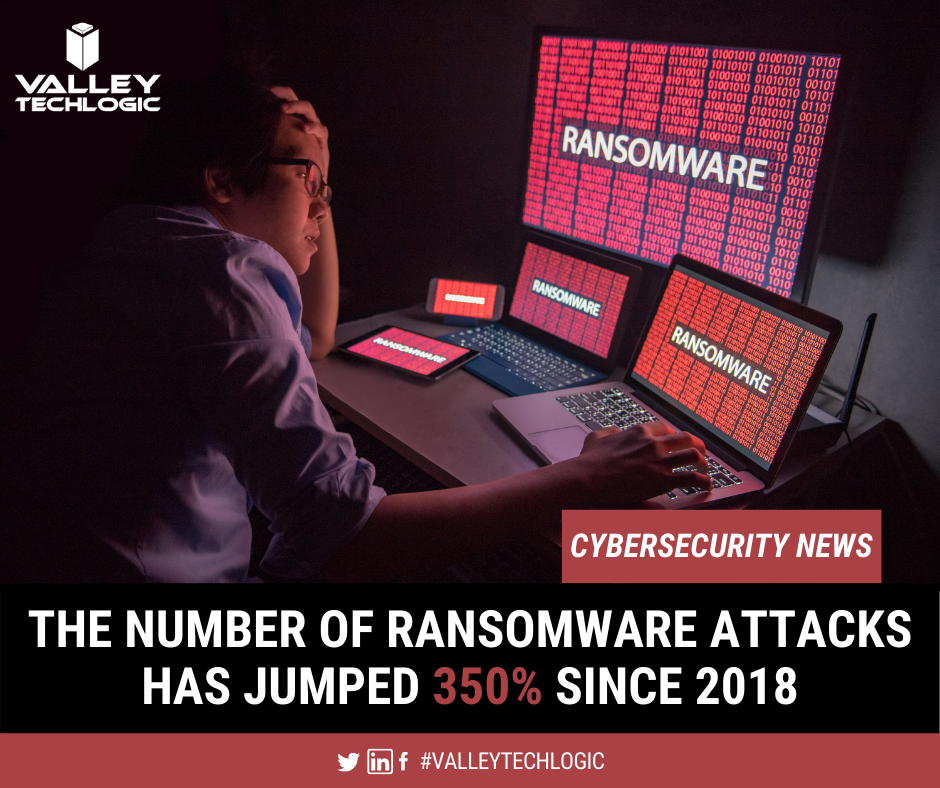
    Dell, Lenovo, even Apple brand computer and device repairs might be seeing major repair delays at the moment as a top repair firm they use was hit by a ransomware attack that ground their operations to a complete halt.

    This has been seemingly squashed as a news worthy event for the moment but we think customers should be made aware that if they send their desktop or laptop in for a repair at this time they face major delays in getting it back. In fact, there may be a delay in even getting a box to send the machine back in as even shipping has also been affected by this ransomware.

    Reported briefly by ItWire, this attack aimed at the security firm Symantec has taken down a number of systems across the country. From the attackers’ view point they were able to disable one of the end point protections allowing access, and to make matters worse the software was up to date at the time, leading to major questions as to how this was able to occur at all.

    CSAT, used by Dell, Lenovo, Apple and more was hit just over a week ago and customers have been facing problems ever since.

    We haven’t been able to confirm that any customer data was leaked, however, according to the ItWire article a number of screenshots of computer directories were placed online.

    If the General Data Protection Regulation (GDPR) that governs in the UK applied in this case, these companies should have reported any exposed customer data within 72 hours. It’s possible no customer data was leaked but the scope of this apparent ransomware has us questioning whether that’s true.

    We’re uncertain if business support class customers are facing the same delays as home users however as with most things there may be a trickle-down effect.

    The ransomware that allowed this to occur was called NetWalker and it’s been responsible for 10 major breaches just this year. It’s clear to us ransomware as a service is not going anywhere soon when the payouts are so lucrative.

    Released in April 2019, the average payout on a NetWalker attack is $175,000 in bitcoin following each successful campaign. One of the highest payouts was $1.14 million from the University of California. It’s estimated the NetWalker ransomware gang has made $25 million in all.

    This latest attack shows that it’s not only a loss of data and having to pay a hefty sum that come as side effects from being hit with ransomware, the affected security firm and repair firm are also experiencing a major loss of credibility with customers that they may never fully recover from.

    You may think your business is too small to be hit with a ransomware attack, but the fact is ransomware as a service has made orchestrating these attacks easier than ever. Even a small payout of a few thousand dollars may be worth it to some individuals with low moral standing just looking for some quick cash.

    Or maybe they’re not interested in your money at all, maybe they’re interested in your data which may be more lucrative for them. Also, many hackers commit their attacks just for the thrill of it and will think nothing of dismantling your technology operations and leaving you stranded.

    We don’t think this should happen to anyone; we can help businesses located in the Central Valley beef up their cyber security provisions to stop ransomware gangs in their tracks.

    VTL Cyber Security

    Looking for more to read? We suggest these tech articles from the last week.

    This article was powered by Valley TechLogic, an IT provider in Atwater, CA. You can find more information at https://www.valleytechlogic.com/ or on Facebook at https://www.facebook.com/valleytechlogic/ . Follow us on Twitter at https://x.com/valleytechlogic.

    Looking for IT Services in Fresno, Modesto, Stockton, Ceres, Atwater, Merced, Visalia or Lodi? We cover all these areas and more!


  • Starlink is bringing super-fast internet to rural communities; what are your internet provider options?

    Starlink is bringing super-fast internet to rural communities; what are your internet provider options?

    Starlink has been a hot button topic this week: Elon Musk’s new satellite internet company is bringing fast internet speeds to many rural communities who have had very few options up until now.

    It can seem strange to think about if you reside in an urban area where cable internet has been available since the early 2000s. The fact is many communities are still burdened with DSL connections whose max capabilities may be as low as 0.8 Mbps (a far cry from the 100+ Mbps cable speeds we’re all used to).

    On speeds that slow downloading a video can take as long as an hour. Starlink will change all that for many people as well as adding another contender in a mostly monopolized marketplace. Even in large cities, there are often not more than one or two viable options available.

    Starlink features a rather hefty setup cost for home users at $499, but the $99 a month is competitively priced in our opinion. There are some concerns from people in the astronomy field what effect thousands of new satellites introduced to our skies will do (see this article for more information on that).

    Cable companies are already feeling the pinch as many people are “cutting the cord” in favor of streaming services that allow them to pick and choose what they want to watch at will. With more competition in the marketplace, how will they rise to meet the demand for faster internet in more places?

    One thing we can look to is more work done on improving degrading cable infrastructure; many other developed nations have access to high speed fiber internet for a fraction of what we pay here in the states. In South Korea for instance 1 Gbit/s internet is priced as low as $20 for most households. That’s an internet speed 79 times the average speed here in the US for a fraction of what we pay.

    Google has also risen as an internet provider in many large cities, providing gigabit internet for around $70 a month. This is comparable to the average cost of a cable internet subscription where your speeds will probably be 100-250 Mbps.

    Business class users have long had a different standard of internet access, with faster speeds available to them than are advertised to home users. Your IT team may have a dedicated support person they talk to or if you work with an IT support company, they may have better leads for you when it comes to your business’s internet.

    With small business internet plans you can expect better support, as well as a static IP address. A static IP grants you the benefit of faster connectivity speeds as well as a more secure and stable connection. It also gives you the ability to remote connect to your business’s computers, in addition to reliable geolocation data. With a static IP you can connect to your office devices from anywhere, allowing you to work on the go.

    Enterprise internet offers even more benefits. Known variously as Metro Ethernet, MPLS, or Dedicated Internet Access, enterprise internet service allows for point-to-point and point-to-multipoint internet connections. That means your business will be directly connected to a metro ethernet hub which will equal greatly increased bandwidth, redundancy, and reliability. This is often used on a larger (often metropolitan, hence the term “metro” ethernet) scale, connecting employees in different office locations to one network.

    Navigating which internet solution to use is just one part of the puzzle. Networking can be a complex task and setting up a secure network is a major bulwark against having a large-scale cyber security event cripple your business. If you own a business located in the Central Valley and need help navigating the rapidly evolving landscape of business Internet connectivity, Valley Tech Logic is here to help.

    Looking for more to read? We suggest these tech articles from the last week.

    This article was powered by Valley TechLogic, an IT provider in Atwater, CA. You can find more information at https://www.valleytechlogic.com/ or on Facebook at https://www.facebook.com/valleytechlogic/ . Follow us on Twitter at https://x.com/valleytechlogic.

    Looking for IT Services in Fresno, Modesto, Stockton, Ceres, Atwater, Merced, Visalia or Lodi? We cover all these areas and more!


  • What’s the difference between a regular data backup and an archival backup?

    What’s the difference between a regular data backup and an archival backup?

    We regularly tout the necessity of data backups, but there’s one kind of backup we really haven’t spent much time on, and that is archival backups.

    Backing up your data is an ongoing task or at least it should be. Whether it’s done daily or weekly, regular snap shots of your data make it easy in a data loss event to pull the most recent backup and get back to business as usual.

    Archival backups are much different. With these your data is pulled once and then stored in a safe location or online. Since these backups aren’t updated it’s not going to feature any recent changes but when it comes to cyber security safety in particular, they’re a great tool for protecting your data.

    Another great feature of these backups is that they’re immutable/write once read many
    (WORM), that means to make any changes to them is nearly impossible (this includes bad actors trying to do so!).

    In the event your network is compromised that may mean the hackers have gained access to your regular backups as well, they may even be holding your accounts hostage in a ransomware attempt. If you have an archival data backup this may be the key to gaining access to your accounts again without paying the ransomware.

    Also, because this backup is separate from your network it will be almost impossible for it to become compromised.

    While we’re explaining the difference between regular backups and archival backups it might be a good time to also explain the different daily/weekly backups that can be performed.

    1. Full backups – A full backup entails all of your data being backed up every day. This will take more time and is in most cases not necessary but if you want a more detailed record of your files you may choose to do this.
    2. Incremental Backups – Incremental backups will only copy data that has changed since the last backup. Your backup application will track and record the details of that backup and update the files that have been changed or modified in some way.
    3. Differential Backup – This is similar to incremental backups, but the difference is it will pull a full backup once and then if things have changed since that backup it will again pull another full backup of those files. This will pull less data then a full backup but more data than an incremental backup.

    If you have a small set of data then a full daily backup may make sense for your business, if you have a lot of data incremental or differential data backups may be a better fit. Each situation is unique and it’s a good idea to have an evaluation done of your specific circumstances.

    Any kind of backup is better than no backups at all but one that falls short of your needs may still leave your business in the lurch if a data loss event occurs.

    Also figuring out where to store your data can be a complex topic too. At Valley Techlogic we’re recommending a triad approach to data storage. With onsite, cloud and archival data backups the businesses we support can rest assured their data is absolutely safe and retrievable.

    This all sounds very complex but once the solution is in place, you’ll feel better that you have it. Also, the integrity of your backups should be monitored regularly by your tech team as even a backup can fail. If you need some assistance in choosing the right backup solution to you we would be happy to have a consultation with you.

    Techvault


    Looking for more to read? We suggest these tech articles from the last week.

    This article was powered by Valley TechLogic, an IT provider in Atwater, CA. You can find more information at https://www.valleytechlogic.com/ or on Facebook at https://www.facebook.com/valleytechlogic/ . Follow us on Twitter at https://x.com/valleytechlogic.

    Looking for IT Services in Fresno, Modesto, Stockton, Ceres, Atwater, Merced, Visalia or Lodi? We cover all these areas and more!


  • Does doing your own IT as a business owner really make sense? We did the math.

    Does doing your own IT as a business owner really make sense? We did the math.

    Business owners have a lot on their shoulders, especially in 2020. Delegating is no easy thing, painstakingly raising a business from the ground up lends itself to naturally being very protective over it.

    There can even be a sense of pride in doing things yourself for as long as you can. Each time you must hire out for a job you previously did yourself there can be a sting to it, as well as a feeling that you’re giving up control (which you are, but it’s a good thing!). We know nothing can feel more worrisome about losing control over than the IT systems that power your business.

    The thought of hiring someone else to do your IT for you can feel like handing over the keys to your kingdom. When it comes to your data and the systems you and your employees work on, keeping these things afloat is often synonymous with keeping your business running.

    While there might be something nice about not spending a weekend on a downed system or having to phone your internet provider yourself when your networks down, is it really worth the concerns that might arise from it not being in your sole control?

    The statistics say yes. Just take a look at this graphic.

    Doing Your Own IT Chart

    As you can see, business owners are working hard but aren’t spending their time where they would ideally want to. When you get bogged down with the everyday minutia you can lose sight of what made your business the success it is, the effort poured into actually building it.

    Also, while we don’t want to question anyone’s IT prowess if that isn’t your day job there could be things that are overlooked. Cyber security is something we write about a lot here and for good reason, thinking your business won’t be a target for any given reason is just wrong.

    Hackers are opportunists and if there is an opportunity for them to get into your business, they’re going to take it. IT professionals have all the tools necessary to thwart them at their disposal, but they can only do implement them when they’re part of your team.

    As with all things that are recommended to you, it’s good to have an open mind and a critical. These are important decisions you are making for your business after all.

    If you’re located in the Central Valley and would like to have a consultation to find out what your options are, we’d be more than happy to go over them with you.

    Looking for more to read? We suggest these tech articles from the last week.

    This article was powered by Valley TechLogic, an IT provider in Atwater, CA. You can find more information at https://www.valleytechlogic.com/ or on Facebook at https://www.facebook.com/valleytechlogic/ . Follow us on X at https://x.com/valleytechlogic.

    Looking for IT Services in Fresno, Modesto, Stockton, Ceres, Atwater, Merced, Visalia or Lodi? We cover all these areas and more!

  • The future of hard drive storage is coming, what will it mean for the cloud?

    The future of hard drive storage is coming, what will it mean for the cloud?

    By now, most of us have made the jump from mechanical hard drives to solid state drives, and if you haven’t you really should. Faster loading times, less prone to drive failure, and greater bandwidth are just a few of the benefits. Once you switch, you’ll wonder how you ever went so long on mechanical drives.

    But what’s next? There have been fantastical talks of data stored in DNA, which is not so much aimed at consumers (especially not when it currently costs $7,000 to synthesize just 2 MBs of data) but at the Data Capacity Gap. The data capacity gap is a crisis in which the world may run out of data, I know this sounds far fetched but nothing in life is infinite… and this includes our data.

    If you’re wondering how this could be possible just take a look at these worldwide data statistics:

    • In the last two years alone 90% of the world’s data has been created
    • 5 quintillion bytes of data are produced by humans every day
    • 463 exabytes of data will be generated each day by humans as of 2025

    That’s a lot of data, and with all that data comes a need to store it. The main limitation to storing an endless supply of data currently? Chip grade silicon. We don’t want to bore you with the science but there’s an extreme limitation to creating what’s needed to make both data storage and a lot of other components our computers currently use. Including many rare earth elements.

    DNA

    Also just one more tidbit about DNA storage, it’s theorized it could eventually store all the world’s data in one room.

    It’s clear more innovations are needing to keep up with the demands of our online lifestyles, so what is on the horizon for consumers?

    Storage capacity on conventional drives has grown leaps and bounds since the first hard drive was created by IBM in 1956.

    This hard drive, which was shipped with the RAMAC 305 system, was the size of two refrigerators and weighed about a ton. It held 5MB of data, at a cost of $10,000 per megabyte. That makes the $3,500 per MB DNA storage sound like a bargain!

    Now in 2020, 18 and 20TB hard drives are being produced by Seagate, and yes that’s terabyte not gigabyte. While these are aimed at data centers the capacity for storage it’s very clear data storage has increased exponentially since the 1950’s.

    These heat-assisted magnetic recording (HAMR) drives are still mechanical, so as we mentioned at the beginning you would still want to use SSD (Solid State Drives) for your main computing, but it does pose an interesting dilemma in the world of storing your own data.

    At Valley Techlogic, we’re big proponents of the cloud and the safety it presents to our customers. Even with high capacity storage available there are still limitations posed by storing your data yourself, such as the aforementioned drive failure or even your office being subject to a theft or natural disaster.

    However, we don’t believe anything has to be all or nothing. With a competent IT team behind you there are some real benefits to storing your own data, including having immediate access to your data and a faster recovery time for computers in your office.

    In a time when data capacity is still growing and choices are out there, we think the smart choice for most offices is BOTH onsite storage and cloud storage.

    Looking for more to read? We suggest these tech articles from the last week.

    This article was powered by Valley TechLogic, an IT provider in Atwater, CA. You can find more information at https://www.valleytechlogic.com/ or on Facebook at https://www.facebook.com/valleytechlogic/ . Follow us on Twitter at https://x.com/valleytechlogic.
    Looking for IT Services in Fresno, Modesto, Stockton, Ceres, Atwater, Merced, Visalia or Lodi? We cover all these areas and more!

  • This new California law means changes to your devices default passwords

    This new California law means changes to your devices default passwords

    California is used to being ahead of the game when it comes to technology. It comes as no surprise with our state being home to the mecca of technology, Silicon Valley. So of course, in an effort to regulate the Internet of Things (IoT) more seriously, California was the first state to introduce a law doing so.

    Senate Bill 327 (SB-327) is the first law directed at the IoT and most of it’s measures are aimed at improving security of our devices. Cybercrime is a billion-dollar industry, so it makes sense to enact stricter regulations to protect consumers from having their devices hijacked and their networks held ransom.

    Some of its most stringent requirements are aimed at password security. While it’s not mandating passwords at an OS or Software level (these are often set by the user), it is requiring changes be made to default passwords on a firmware level.

    Starting January 2020 passwords on a firmware level must be randomized. The bill states:

    1798.91.04.b Subject to all of the requirements of subdivision (a), if a connected device is equipped with a means for authentication outside a local area network, it shall be deemed a reasonable security feature under subdivision (a) if either of the following requirements are met:

    1. The preprogrammed password is unique to each device manufactured.
    2. The device contains a security feature that requires a user to generate a new means of authentication before access is granted to the device for the first time.

    This means if you purchase a router it can no longer have the Username admin/ Password admin or a similar login convention. Passwords for routers and other connected devices as defined by the bill any device, or other physical object that is capable of connecting to the internet, directly or indirectly, and that is assigned an Internet Protocol address or Bluetooth addressmust have a randomized password and login name.

    This may mean an extra bit of setup on the user’s part when purchasing a new device, and don’t toss that installation guide!

    This gets even more complex when you think of devices such as servers, where rack scripting software may currently rely on every device having the same password to function. IT people will have their work cut out for them setting up new networks with these restrictions.

    However, we applaud all efforts to make the internet a safer place, and we think SB-327 is just the beginning when it comes to regulating devices and the internet as a whole. With so much sensitive data being exchanged every day, it was a given change was coming to do more to protect it.

    Also, while this bill only applies to devices in California it’s likely product developers will opt to have it in effect for other states as well.

    With so many devices in our home and offices connected and listening, it makes sense to give these devices stronger protection with a stricter password to block hackers. We would like to see a bill that goes even further, regulating firmware updates and requiring companies to better support the devices they produce.

    We outlined some of the pitfalls from companies failing update router firmware in this previous blog post.

    As always, if you own a business in the Central Valley and are finding yourself trying to work with the new regulations from SB-327 or anything technology related, reach out to us for help or advice. We’re here to help.

    Looking for more to read? We suggest these tech articles from the last week.

    This article was powered by Valley TechLogic, an IT provider in Atwater, CA. You can find more information at https://www.valleytechlogic.com/ or on Facebook at https://www.facebook.com/valleytechlogic/ . Follow us on Twitter at https://x.com/valleytechlogic.

    Looking for IT Services in Fresno, Modesto, Stockton, Ceres, Atwater, Merced, Visalia or Lodi? We cover all these areas and more!

  • Business Email Compromise (BEC) and Phishing – How Do You Combat It?

    Business Email Compromise (BEC) and Phishing – How Do You Combat It?

    Business email compromise (BEC) and phishing are not new ways to scam, as soon as email rose to popularity as a dominant form of communications scammers saw a lucrative window and took advantage.

    Before we explain how to avoid it we should explain what Business Email Compromise (BEC) is. BEC is when a legitimate business is sent an email that looks like it’s coming from another legitimate business, but it’s not. It’s actually a scammer spoofing that email identity. This is the most popular form of phishing but it’s far from the only version. Scammers can even spoof your own domain, so an email looks like it’s coming from within your own organization.

    How do you combat something so insidious? The top way is training, by training yourself and your employees properly on what to look for then you can avoid these scams which cost people located in the US $57 million last year.

    Here are some of the things we look for when determining is an email is a phishing attempt.

    1. It may contain a generic greeting such as “Hello sir or madam” or “Hi Dear” a company you do business with or a person you know would probably know your name.
    2. The email mentions some kind of fraudulent activity on your account and has a link asking you to confirm your private details to unlock or otherwise reinstate your account. This is a VERY common scam.
    3. The links in the email are NOT from the business the email is purporting to be when you hover over them.
    4. The email may contain spelling errors and sentences that sound strange grammatically.
    5. The logos in the email may be of a poor resolution because these scammers do not have access to the real company assets.
    6. The email is coming from a CEO or President of a large organization and is asking you to wire money in exchange for a lump sum in return later. These emails may not have spelling errors or strange links but ask yourself – would any CEO or President of a large company be asking you to wire them money?

    That last one is key, if all the obvious methods of detection fail you may have to rely on just asking yourself if the request in the email makes sense. If the email looks like it is coming from someone you know personally, reach out to them via phone or in person to ask about it. Most of the time, victims who have had their emails compromised or spoofed have no idea it’s even going on.

    Beyond training on knowing what to look for in a phishing email these are our top 3 things to protect yourself from scams across the board.

    1. Keep the software on your devices completely up to date.
    2. Use Multi-factor or 2 Factor Authentication on your accounts.
    3. Backup your data regularly so on the off chance something happens, you’re covered.

    If you receive an email you suspect is a phishing attempt, the best thing to do is not respond to it and report it. You can report suspected phishing emails to the FTC here.

    For businesses located in the Central Valley, we offer cyber security training as part of our managed service plans (which includes comprehensive training on how to avoid phishing attacks).

    Phishing training available

    Looking for more to read? We suggest these tech articles from the last week.

    This article was powered by Valley TechLogic, an IT provider in Atwater, CA. You can find more information at https://www.valleytechlogic.com/ or on Facebook at https://www.facebook.com/valleytechlogic/ . Follow us on Twitter at https://x.com/valleytechlogic.

    Looking for IT Services in Fresno, Modesto, Stockton, Ceres, Atwater, Merced, Visalia or Lodi? We cover all these areas and more!

  • Tech Scalpers and How to Get What You’re Looking For

    Tech Scalpers and How to Get What You’re Looking For

    We’ve all experienced it at some point, you’re looking to buy something that was just released, perhaps as a Christmas gift or just for yourself and can’t find it in the regular channels. You know where you can find it? eBay or some other reseller site – usually for an inflated price.

    Those who enjoy gaming are experiencing it right now. Trying to find the NVidia RTX 3080 card? Gone. Microsoft’s Xbox Series X and Series S as well as Sony PlayStation 5 buyers had a similarly frustrating time trying to get their pre-orders in. Nintendo has been accused for years of “artificial” shortages.

    Is it a lack of stock or is the demand really that great? How much of it is resellers swooping in, buying up all the stock and reselling it for artificially inflated pricing?

    What should you do if the item you’re looking for is out of stock, and how do you avoid being one of many who won’t get their hands on the tech item they’re looking for?

    One thing that appears to be new is the advent of items targeted by bots to buy up all the product for resellers. To say they have an unfair advantage when it comes to making a purchase quickly is an understatement.

    It’s clear more needs to be done to combat the unfairness of scalpers swooping in, and buying limits need to be more strictly enforced on tech items. What are some ways you can still get what you’re looking for anyways?

    1. Be aware of the sales date and be on the website early, websites will often crash in the wake of a launch but most retailers have queuing systems in place so the earlier you’re on there, the more likely you’ll be able to get what you’re looking for.
    2. As a general rule, do NOT refresh your page when you’re in a queue. If you refresh the page most times you will be moved to the back of the queue (it’s the same as getting out of line).
    3. Figure out which retailers are going to have the item you’re looking for and queue up for multiple sites to give yourself a better chance. Just be sure to jump off the additional ones once you’ve purchased your item.
    4. If it seems like your order didn’t go through, don’t despair. Many times, an order that looks like it didn’t go through actually did. Keep this in mind if you go to try and buy it again.
    5. If you did miss the item, instead of buying it from a reseller (and thereby validating the practice) find out when the next launch date it. For popular items it’s probably sooner than you think.

    NVidia, Microsoft and Sony could take a page from companies like Apple who seem to have the buying process down. Apple has scaled up their production for every new launch and those who want their products have no trouble buying them with ease. Nothing is more frustrating to a potential buyer than to have cash in hand ready to buy and end up leaving empty handed.

    They may find if they don’t solve these stock issues more aggressively, that these same buyers will move on to different products.

    Looking for more to read? We suggest these tech articles from the last week.

    This article was powered by Valley TechLogic, an IT provider in Atwater, CA. You can find more information at https://www.valleytechlogic.com/ or on Facebook at https://www.facebook.com/valleytechlogic/ . Follow us on Twitter at https://x.com/valleytechlogic.

    Looking for IT Services in Fresno, Modesto, Stockton, Ceres, Atwater, Merced, Visalia or Lodi? We cover all these areas and more!

  • On the Fence About Outsourced IT? Here are the Top 5 Reasons to Consider it.

    On the Fence About Outsourced IT? Here are the Top 5 Reasons to Consider it.

    Now as a provider of outsourced IT we’re considerably biased, but we also know the value outsourcing some or all of your IT can provide to your business. We wanted to touch on the top reasons you should consider utilizing outsourced IT in your business.

    First though we would be remiss if we didn’t go over the variety of outsourced IT available on the market. From a single person who helps on a contractor like basis to full scale operations that are the same as having an entire IT department, the differences in what’s out there is vast and there’s something available for every business.

    To decide on what variety is right for you, you need to consider what your businesses needs are. Do you already have an IT team and just need some additional assistance with routine tasks hamstringing your business currently? Are you utilizing the “a wish and a prayer” model by having no IT at all? NOT a good idea by the way.

    We developed this chart to help businesses figure out what kind and what level of outsourcing they may need.

    When to Outsource Chart

    In addition to our chart here are 5 examples of how outsourced IT can bring your business to the next level.

    1. Is the cabling in your office currently a nightmare? Do you walk into the server closet and find yourself wondering if it’s up to code or perhaps even a fire hazard? This is one project no one wants to tackle but once it’s done, you’ll wonder how you went so long without it.
    2. Your IT team is great, but they’re so bogged down with the day to day minutia they don’t have time to bring your business to the next level. Do you have upgrades that have been on the back burner forever? Or perhaps they just don’t have time to maintain your backups as well as you would like. Outsourced IT can fill in the gap and give you the footing you need expand your business.
    3. Remote IT, setting this up right can feel like an impossible task. Maybe your workers are regularly stuck unable to do their job due to login issues, or you just aren’t sure how to approach the topic of cyber security with your employees working from home. Outsourced IT can be the extra hands you need to get it going right.
    4. Perhaps you’ve been telling yourself, who needs IT? You’ve gotten by this far without it. We’re sorry to say, that’s just luck, and you don’t want to hang your business on continuing to stay lucky.
    5. Training new IT staff is difficult and expensive, with an experienced IT provider you don’t need to worry about that and can instead focus on your core business.

    This is in no way an exhaustive list of all the ways we think outsourcing IT could be a smart choice for your business. One thing we do want to mention is to vet the company you choose to outsource to carefully, you’re trusting them with your data and network after all.

    Choose a company with good reviews and references and one that guarantees the work they do. Also, if you’re thinking about switching IT providers it’s okay to vet the new company before letting the old one know you’ll be moving on.

    If you need more advice or assistance on this or other technology topics, reach out! At Valley Techlogic we’re here to help.

    Looking for more to read? We suggest these tech articles from the last week.

    This article was powered by Valley TechLogic, an IT provider in Atwater, CA. You can find more information at https://www.valleytechlogic.com/ or on Facebook at https://www.facebook.com/valleytechlogic/ . Follow us on Twitter at https://x.com/valleytechlogic.
    Looking for IT Services in Fresno, Modesto, Stockton, Ceres, Atwater, Merced, Visalia or Lodi? We cover all these areas and more!