California is used to being ahead of the game when it comes to technology. It comes as no surprise with our state being home to the mecca of technology, Silicon Valley. So of course, in an effort to regulate the Internet of Things (IoT) more seriously, California was the first state to introduce a law doing so.
Senate Bill 327 (SB-327) is the first law directed at the IoT and most of it’s measures are aimed at improving security of our devices. Cybercrime is a billion-dollar industry, so it makes sense to enact stricter regulations to protect consumers from having their devices hijacked and their networks held ransom.
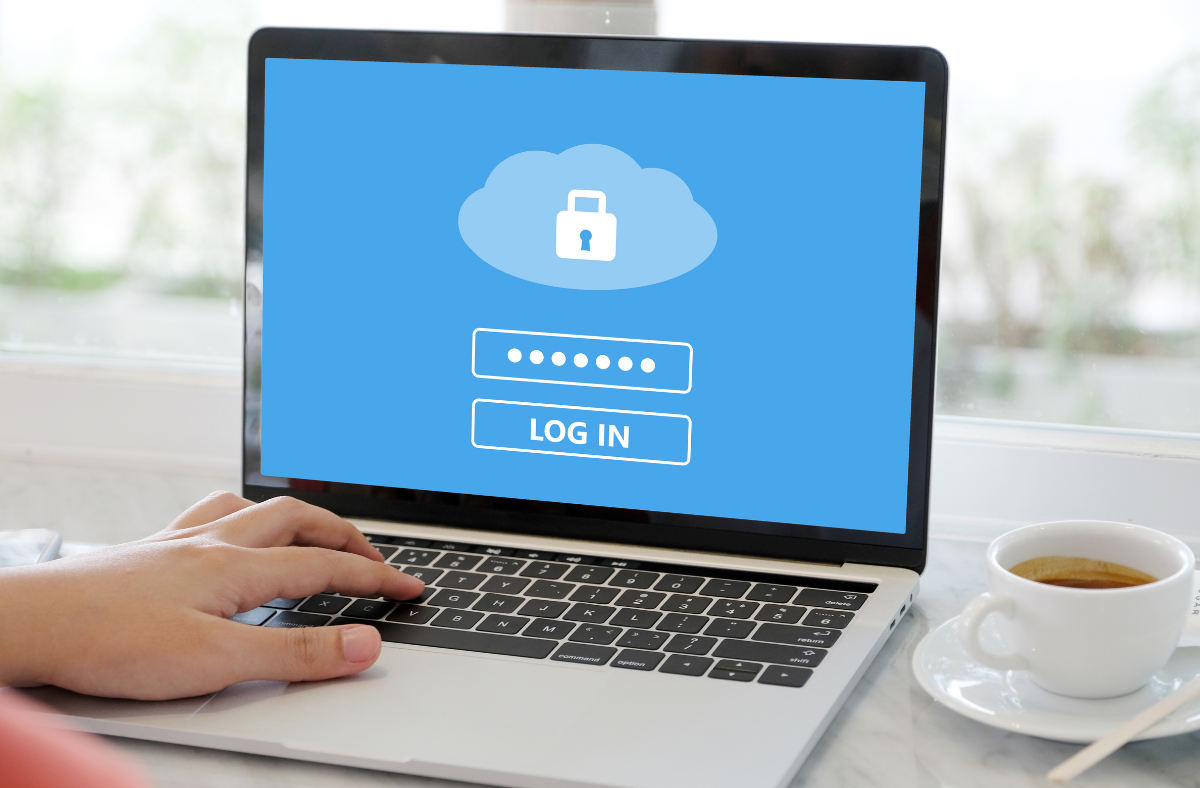
Some of its most stringent requirements are aimed at password security. While it’s not mandating passwords at an OS or Software level (these are often set by the user), it is requiring changes be made to default passwords on a firmware level.
Starting January 2020 passwords on a firmware level must be randomized. The bill states:
1798.91.04.b Subject to all of the requirements of subdivision (a), if a connected device is equipped with a means for authentication outside a local area network, it shall be deemed a reasonable security feature under subdivision (a) if either of the following requirements are met:
- The preprogrammed password is unique to each device manufactured.
- The device contains a security feature that requires a user to generate a new means of authentication before access is granted to the device for the first time.
This means if you purchase a router it can no longer have the Username admin/ Password admin or a similar login convention. Passwords for routers and other connected devices as defined by the bill “any device, or other physical object that is capable of connecting to the internet, directly or indirectly, and that is assigned an Internet Protocol address or Bluetooth address” must have a randomized password and login name.
This may mean an extra bit of setup on the user’s part when purchasing a new device, and don’t toss that installation guide!
This gets even more complex when you think of devices such as servers, where rack scripting software may currently rely on every device having the same password to function. IT people will have their work cut out for them setting up new networks with these restrictions.
However, we applaud all efforts to make the internet a safer place, and we think SB-327 is just the beginning when it comes to regulating devices and the internet as a whole. With so much sensitive data being exchanged every day, it was a given change was coming to do more to protect it.
Also, while this bill only applies to devices in California it’s likely product developers will opt to have it in effect for other states as well.
With so many devices in our home and offices connected and listening, it makes sense to give these devices stronger protection with a stricter password to block hackers. We would like to see a bill that goes even further, regulating firmware updates and requiring companies to better support the devices they produce.
We outlined some of the pitfalls from companies failing update router firmware in this previous blog post.
As always, if you own a business in the Central Valley and are finding yourself trying to work with the new regulations from SB-327 or anything technology related, reach out to us for help or advice. We’re here to help.
Looking for more to read? We suggest these tech articles from the last week.
-
House Lawmakers Condemn Big Tech’s ‘Monopoly Power’ and Urge Their Breakups – The New York Times
-
10 things in tech you need to know today – Business Insider
-
Covid Creates Spike in Tech and Health Care Billionaires – InvestoPedia
-
America’s internet wasn’t prepared for online school – The Verge
-
Facebook bans QAnon across its platforms – NBC News
This article was powered by Valley TechLogic, an IT provider in Atwater, CA. You can find more information at https://www.valleytechlogic.com/ or on Facebook at https://www.facebook.com/valleytechlogic/ . Follow us on Twitter at https://x.com/valleytechlogic.
Looking for IT Services in Fresno, Modesto, Stockton, Ceres, Atwater, Merced, Visalia or Lodi? We cover all these areas and more!